Every Saturday

🔮 Spellbound Saturdays

Ancient wisdom, esoteric traditions, and the tools of the craft — deep education for serious students of the occult.

This Week's Feature Back to Homepage
💎 Crystal of the Week — August 16–22, 2026
Labradorite — The Stone of the Eclipse Portal
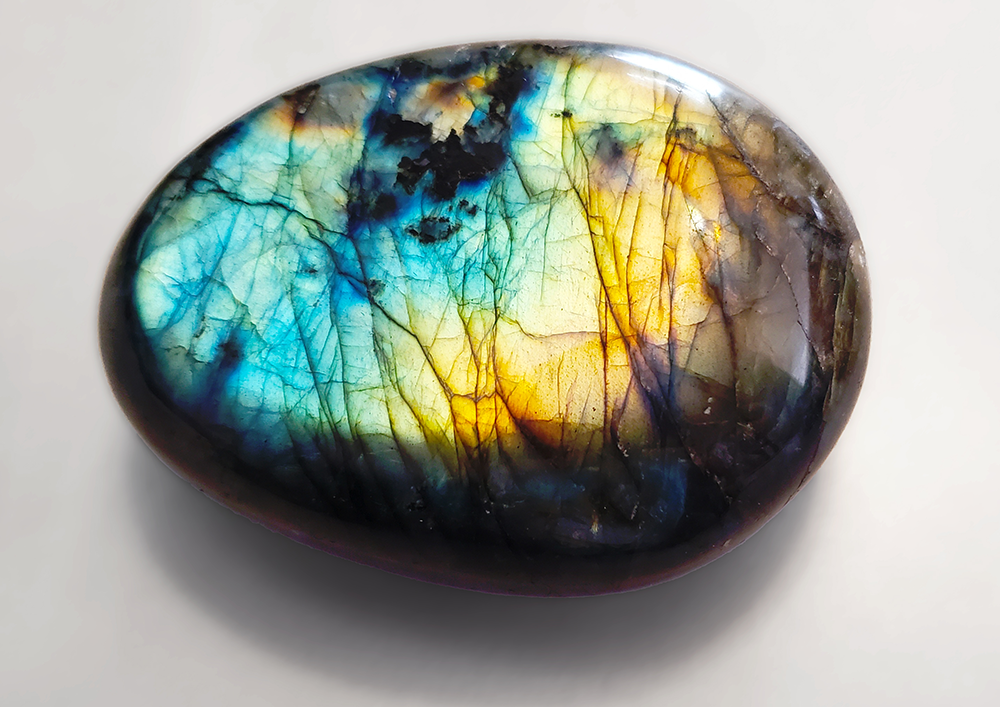
Labradorite
Why labradorite this week: We're standing in the "eclipse portal" — the liminal stretch between last week's solar eclipse in Leo and the lunar eclipse in Pisces on August 27. The air feels heavier, more fated, like things are quietly rearranging themselves whether we've consented or not. Then on August 22, the Sun slips from bold, fiery Leo into grounded, discerning Virgo — right as it conjoins the South Node, a classic signature of release and letting go. Labradorite is the stone made for exactly this kind of threshold.

About labradorite:
Labradorite is a feldspar mineral first identified on the Labrador Peninsula in Canada, prized for its labradorescence — flashes of electric blue, green, and gold that seem to move beneath the surface as the stone catches the light. Inuit legend holds that the Northern Lights were once trapped inside a great rock along the coast, and a wandering warrior struck it free with his spear, releasing most of the light into the sky but leaving some sealed inside the stone. It has long been considered a stone of magic, protection, and the thin veil between worlds.

Metaphysical properties:
🔮 Transformation — supports moving through change instead of resisting it
🔮 Psychic protection — shields your energy during unstable or eclipse-heavy transits
🔮 Intuition — sharpens inner knowing when the outer world feels murky
🔮 Reveals hidden truths — cuts through illusion, especially useful with Mars square Neptune this week
🔮 Threshold energy — eases the crossing between one season, chapter, or identity and the next

How to use labradorite this week:
🔷 Carry it from August 20–22 as the Sun makes its exit from Leo
🔷 Release ritual: On August 22, hold labradorite and name one thing from Leo season you're consciously letting go of before Virgo season asks you to get organized about the rest
🔷 On your altar: Place it beside a black or dark blue candle to honor the eclipse portal energy
🔷 Meditation: Hold it at the third eye and ask what truth is trying to surface before Friday's Venus-Saturn opposition
🔷 Pair it with: Sunstone (to close out Leo season with grace) or moss agate (to ease into Virgo's earthy practicality)

Cleanse and charge by: Moonlight, not sunlight — labradorite can lose some of its flash with prolonged sun exposure. A few hours under the eclipse-adjacent Aquarius moon this week is ideal.
🌈 Labradorite 🌘 Eclipse Portal 🦁 Leo to Virgo 🔮 Transformation 🛡️ Protection ⭐ Beginner Friendly
Kitchen Witchcraft
📚 Featured Tradition of the Week — August 16–22, 2026
Kitchen Witchcraft — Practical Magic for Virgo Season
Why kitchen witchcraft this week: Last week we honored Apollo and the fire of Leo. Now, as the Sun crosses into earthy, meticulous Virgo on August 22, it's time to bring that fire back down to earth. Kitchen witchcraft is the tradition of turning the everyday — cooking, cleaning, tending the home — into deliberate magical practice, and there's no sign better suited to it than Virgo.

What is kitchen witchcraft?
Kitchen witchcraft (sometimes called hearth witchcraft or cottage witchcraft) is a folk practice found in some form across many cultures, rooted in the idea that magic doesn't require elaborate ceremony — it lives in the small, repeated acts of caring for a home and the people in it. It draws on European hearth-magic traditions, folk herbalism, and the broader idea (echoed in the Hestia and Zeus Ktesios worship we covered last week) that the home itself is sacred ground.

Core practices in kitchen witchcraft:
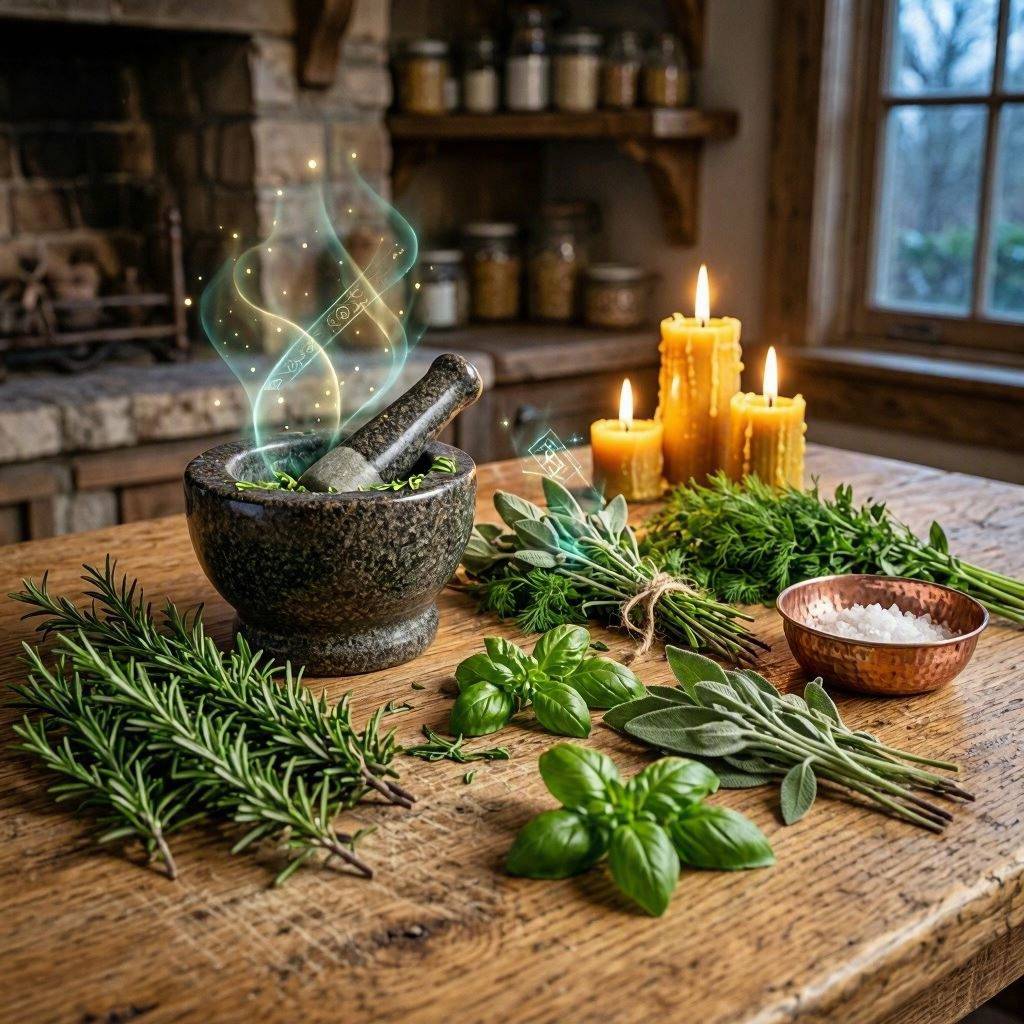
🍳 Intentional cooking — stirring in a specific direction, speaking a quiet intention over a pot, or choosing ingredients for their symbolic properties (basil for protection, cinnamon for abundance, lemon for cleansing)

🍞 Bread and baking magic — bread has long been treated as an abundance ritual in its own right; kneading dough is considered an especially good time to work intention into a practice

🏺 The kitchen altar — a small dedicated shelf or windowsill with salt, a candle, dried herbs, and anything that represents nourishment or home

🧹 Cleaning as banishing — sweeping, washing, and clearing physical clutter doubles as clearing stagnant or unwanted energy, especially fitting as Virgo asks us to refine and reorganize

🌿 Herb correspondences — building a working knowledge of which herbs in your spice rack already carry protective, healing, or abundance properties

Virgo and the kitchen witch:
Virgo rules routine, service, healing, and precision — exactly the energy kitchen witchcraft draws on. To lean into it this week:
Clean and organize one drawer, shelf, or altar space with intention
Cook one meal this week while consciously setting an intention into it
Start a small herb correspondence list for your own kitchen
Notice where "small, repeated acts of care" already function as magic in your life, even if you haven't named them that

Want to explore kitchen witchcraft further?
Look into the work of authors like Patti Wigington, or general "hearth witchcraft" and "cottage witchcraft" communities online for accessible starting points and herb correspondence charts.

Not all magic needs a wand or a full moon. Sometimes it just needs a wooden spoon.
🍯 Kitchen Witchcraft 🌾 Virgo Season 🏡 Hearth Magic 📚 Tradition 🌿 Herbalism ⭐ Beginner Friendly

Shop the Academy — Tools for Your Practice

Crystal kits, beginner altar setups, journals, and Ambrosia's handcrafted tarot deck — everything you need to build a meaningful practice.

Visit the Shop
💎 Crystals & Sacred Tools

Crystals are not magic in themselves — they are amplifiers and allies. They work by resonating with specific energetic frequencies and helping you attune to those frequencies through intention and consistent use. Here is a practical guide to the stones every practitioner should know.

The Foundational Stones

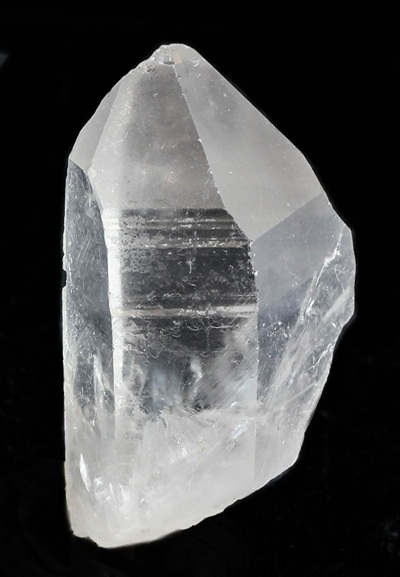
Clear Quartz

Clear Quartz

The Master Amplifier

The most versatile crystal in existence. Clear Quartz amplifies the energy of any intention, any other crystal, and any working it's placed near. If you own one crystal, make it this one. It can substitute for almost any other stone in a pinch.

Protection · Clarity · Amplification · Programmable to any intention
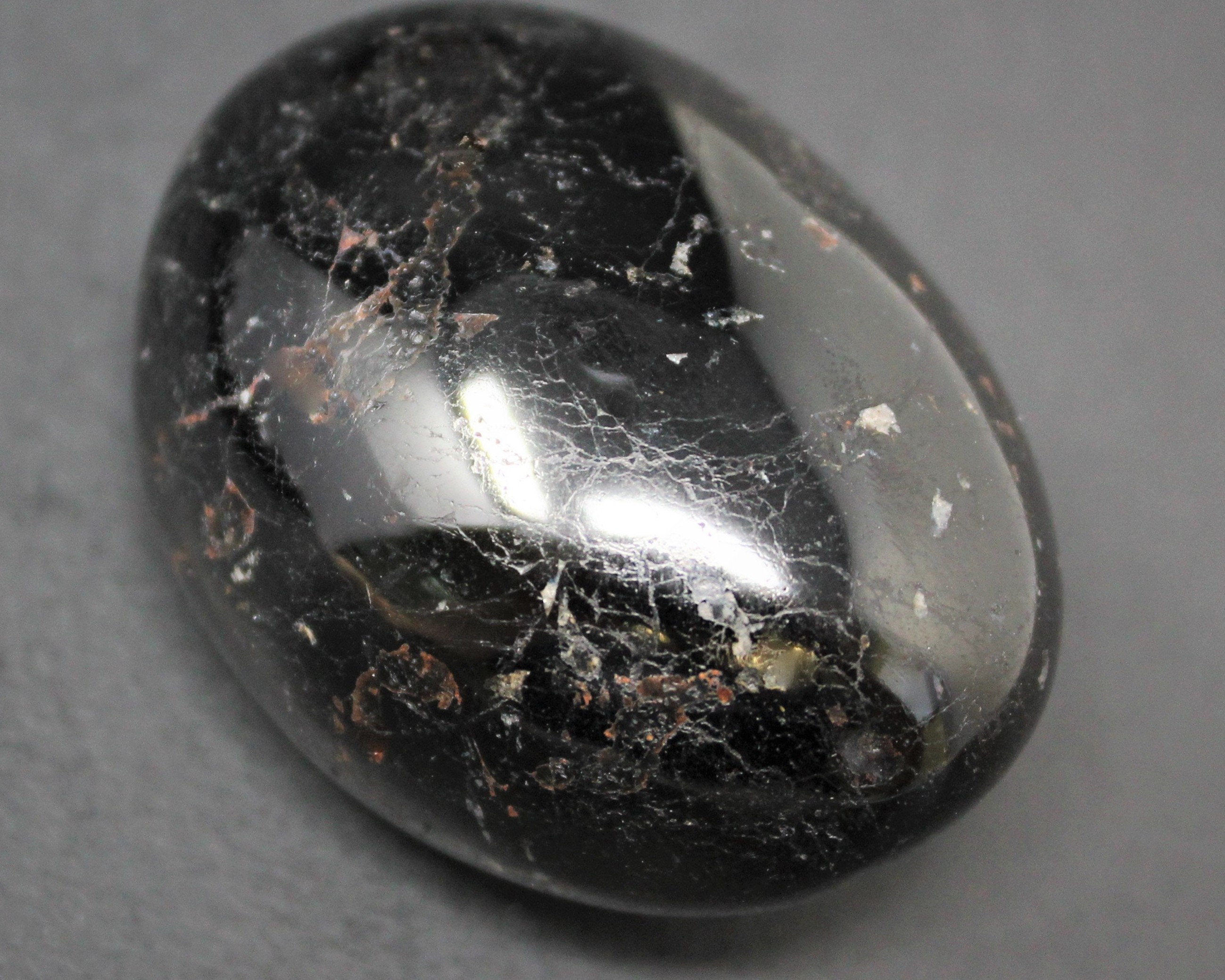
Black Tourmaline

Black Tourmaline

The Protector

The premier stone for psychic protection and energetic boundaries. Place it at the four corners of your home, carry it when entering draining environments, or hold it during shadow work to stay grounded. It absorbs and transmutes negative energy rather than simply deflecting it.

Protection · Grounding · Boundary-setting · EMF shielding
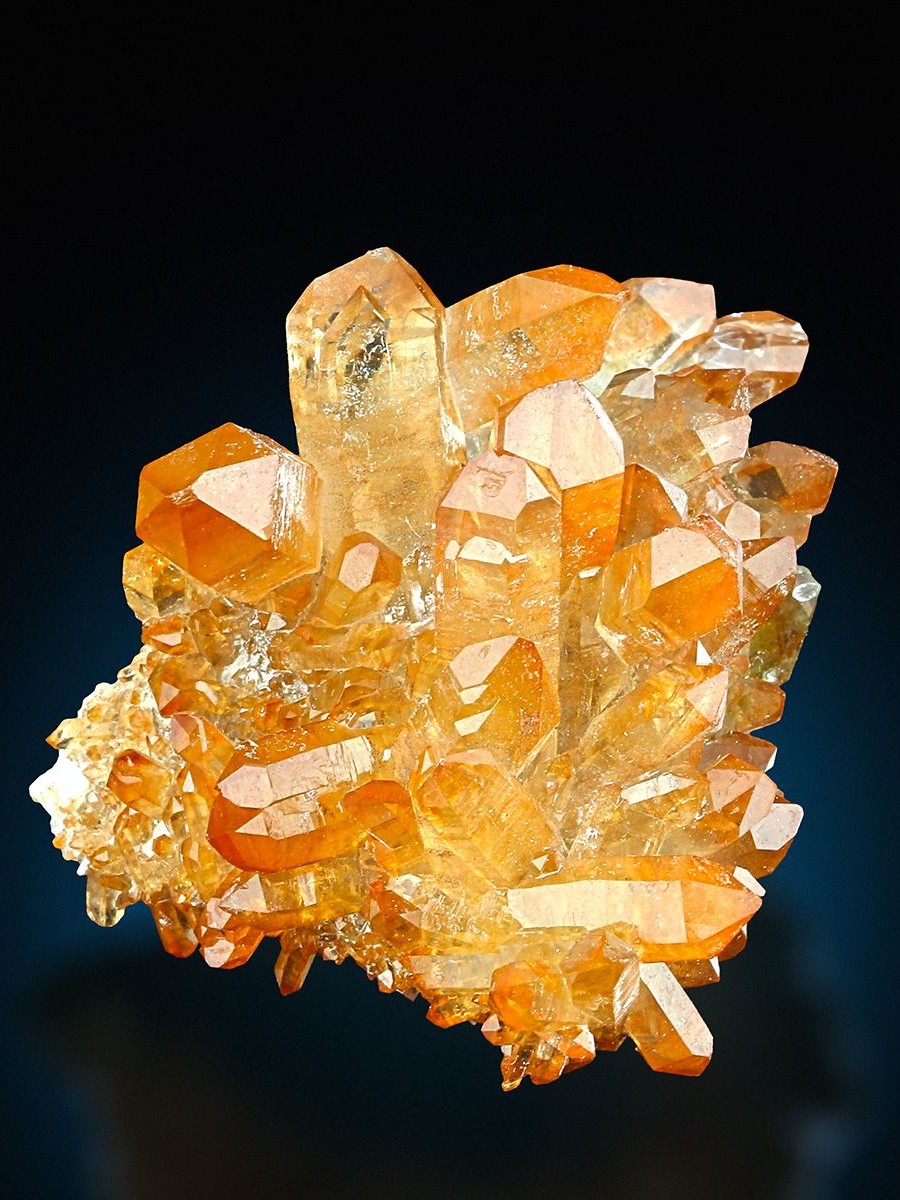
Citrine

Citrine

The Merchant's Stone

One of the only crystals that never needs cleansing — it transmutes negative energy rather than absorbing it. Citrine is the stone of abundance, joy, and solar energy. It's traditionally kept in cash registers and wallets to attract prosperity and maintain positive energy in business spaces.

Abundance · Joy · Creativity · Manifestation · Solar energy
Rose Quartz

Rose Quartz

The Heart Stone

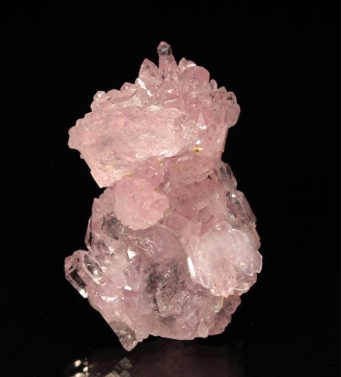
The stone of unconditional love — for others, and crucially, for yourself. Rose Quartz works on the heart chakra to open you to giving and receiving love, to heal emotional wounds, and to attract relationships built on genuine connection rather than need or fear.

Self-love · Emotional healing · Attraction · Heart chakra · Grief
Carnelian

Carnelian

The Stone of Action

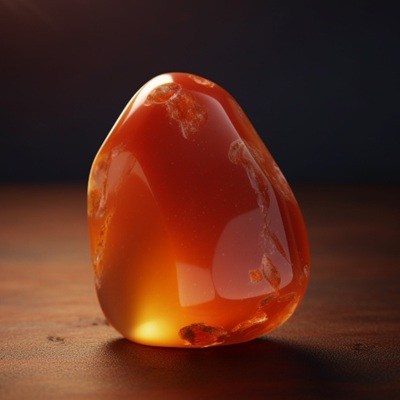
Where Rose Quartz opens the heart, Carnelian ignites the will. It is the stone of courage, motivation, and creative fire — particularly useful when you know what you need to do but can't seem to start doing it. Ancient Egyptians called it "the setting sun" and used it in protective amulets for the dead.

Courage · Motivation · Creativity · Confidence · Vitality
Moonstone

Moonstone

The Stone of New Beginnings

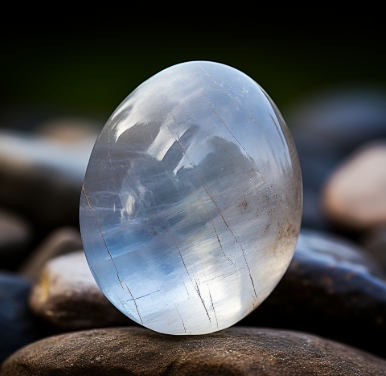
Sacred to moon goddesses across cultures, Moonstone enhances intuition, emotional intelligence, and the ability to flow with cycles rather than fight them. It is particularly powerful for women's work, for anyone navigating major life transitions, and for deepening psychic sensitivity.

Intuition · Lunar cycles · New beginnings · Emotional flow · Feminine energy
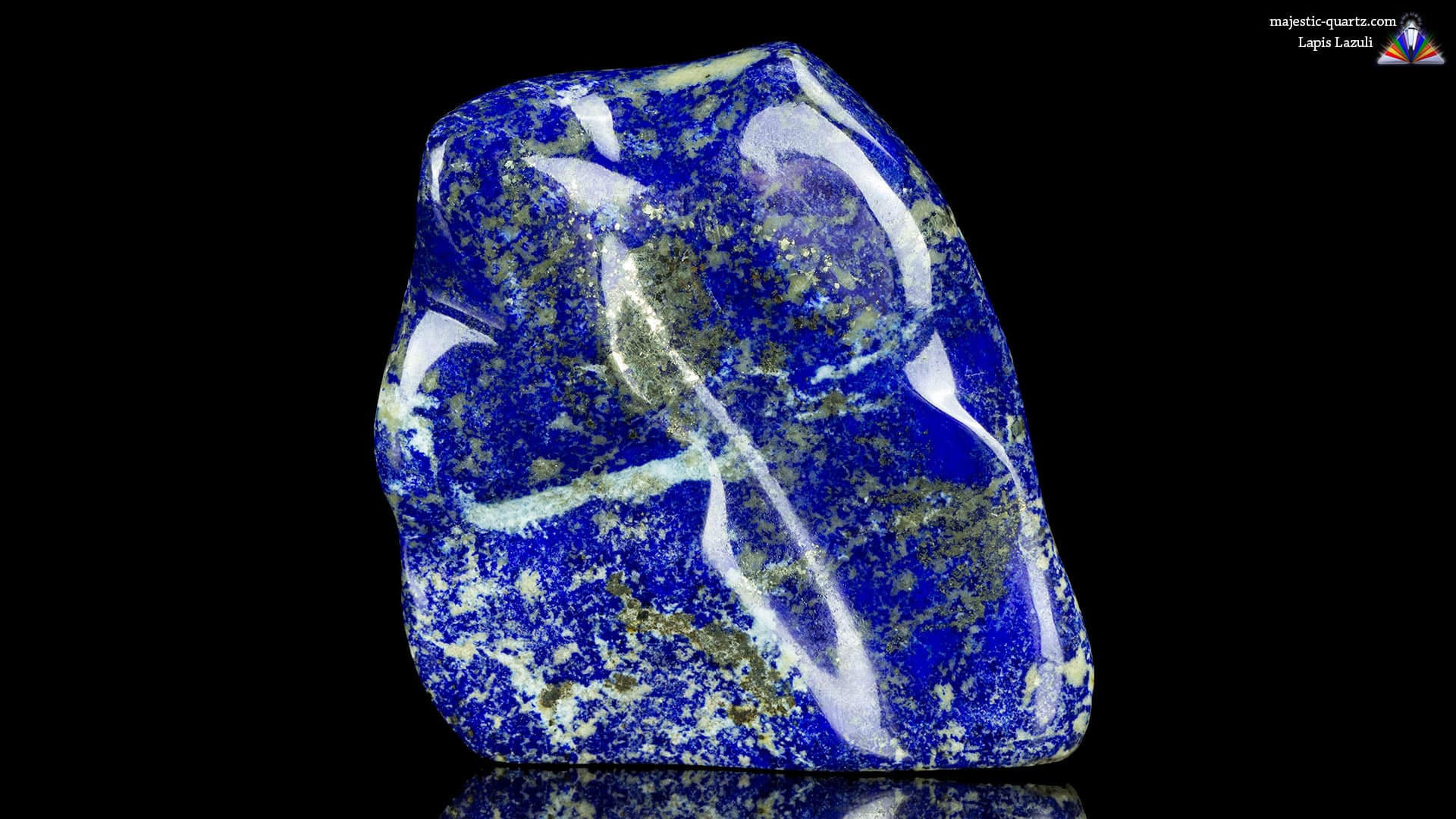
Lapis Lazuli

Lapis Lazuli

The Stone of Truth

One of the oldest spiritual stones in the world — ground into powder by the Egyptians to paint the eyes of their gods, used in the burial mask of Tutankhamun, and prized by Renaissance artists for the blue of the Virgin Mary's robes. Lapis governs truth-telling, clear communication, and access to ancient wisdom.

Truth · Communication · Third eye · Ancient wisdom · Royalty
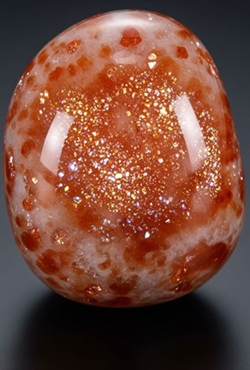
Sunstone

Sunstone

The Stone of Radiant Joy

Sunstone carries bright solar energy — confidence, vitality, and optimism. It clears stagnant emotions, strengthens personal power, and helps you step into your authentic light.

Confidence · Joy · Motivation · Solar energy · Emotional clearing
Amethyst

Amethyst

The Stone of Spiritual Clarity

Amethyst is the premier stone for intuition, spiritual protection, and calming the mind. Long associated with the crown chakra, it helps quiet mental chatter, deepen meditation, and strengthen your connection to higher guidance. Ancient Greeks believed it prevented intoxication — symbolically, it clears the fog and restores clarity.

Intuition · Calm · Protection · Clarity · Spiritual connection
How to cleanse your crystals: Moonlight (especially full moon) is the gentlest and most universal method — safe for all stones. Sunlight works for most stones but can fade Amethyst and Rose Quartz over time. Sound (a singing bowl or bell), smoke (sage, palo santo), or burying in the earth overnight are all traditional cleansing methods. Cleanse a new crystal before first use, and after any particularly heavy energetic work.

Building Your Altar

Foundation

What an Altar Is

An altar is simply a dedicated, intentional space for your practice. It doesn't need to be large, elaborate, or permanent — a shelf, a windowsill, or a small tray on your dresser qualifies. What matters is that the space is treated with intention and kept clear of mundane clutter.

The Elements

The Four Directions

A traditional altar represents the four elements: Earth (North) — a stone or soil; Air (East) — incense or a feather; Fire (South) — a candle; Water (West) — a small bowl of water or seashell. You don't need all four to start, but understanding what each represents helps you build intentionally.

Personalization

Making It Yours

Add objects that hold personal meaning — photos of ancestors or loved ones, items from nature, symbols of deities or forces you work with, crystals chosen for your current intentions, and seasonal elements that connect your practice to the turning of the year. Your altar should feel alive to you, not like a display.

Maintenance

Keeping It Active

An altar you ignore becomes stagnant. Light a candle, rearrange objects as your intentions shift, remove what no longer resonates, and add what does. Some practitioners spend five minutes at their altar every morning as a grounding practice. Frequency of engagement matters more than elaborate ritual.

🕯️ Beginner Altar Kit — $34.95

Everything you need to build your first altar: elemental representation objects, a pillar candle, a crystal starter set, a small selenite charging plate, and a setup guide written by Jennifer. Ready to use the day it arrives.

Order Your Kit — $34.95

📜 Ancient & Esoteric Traditions

Modern occult practice doesn't exist in a vacuum — it is built on thousands of years of accumulated wisdom from traditions most people have never been taught to take seriously. Understanding where your practice comes from makes it richer, more grounded, and more powerful. This is the education the Academy exists to provide.

Egyptian Mystery Schools

circa 3000 BCE — 400 CE

The ancient Egyptians did not separate religion, magic, and science into distinct categories — for them, understanding the laws of the universe and working within those laws was a single unified practice. The temples were schools as much as places of worship, and the priests and priestesses who served within them were trained in medicine, astronomy, ritual, and what we would now call esoteric philosophy.

The concept of Heka — the Egyptian word often translated as "magic" — was understood as the primal force of creation itself. Heka was not supernatural; it was the underlying current of reality that the trained practitioner learned to work with consciously. This is a distinction that runs through virtually every genuine occult tradition: magic is not fantasy. It is applied natural philosophy.

The Book of the Dead (more accurately, the Book of Coming Forth by Day) was a funerary text but also a spiritual instruction manual — a guide to navigating the inner planes and emerging transformed. Many modern initiatory traditions, from Freemasonry to the Hermetic Order of the Golden Dawn, drew directly from Egyptian symbolism and structure.

Kabbalah — The Jewish Mystical Tradition

circa 1st century CE — present

Kabbalah is the mystical heart of Judaism — a system for understanding the nature of God, creation, and the human soul through a map called the Tree of Life. The Tree consists of ten emanations called Sephiroth, connected by 22 paths that correspond to the 22 letters of the Hebrew alphabet and, in Western occultism, to the 22 Major Arcana of the tarot.

The Zohar, the central text of Kabbalah written in 13th-century Spain, describes creation as a process of divine light flowing downward through the Sephiroth from the infinite source (Ein Sof) into manifest reality — and the work of the mystic as learning to consciously climb back up those paths toward unity. This cosmology influenced virtually all subsequent Western esotericism, including Hermeticism, Rosicrucianism, and ceremonial magic.

It is worth noting that Kabbalah has both Jewish and non-Jewish forms — what is sometimes called "Hermetic Kabbalah" or "Qabalah" is the adapted Western occult version. Both deserve respect and honest acknowledgment of their origins.

Gnosticism

1st — 4th century CE

Gnosticism was a diverse movement of early spiritual groups united by one core belief: that the material world is not the creation of the highest divine being, but of a lesser, flawed creator — and that the true nature of the human soul is divine light temporarily trapped in matter. The path to liberation was gnosis — direct, personal knowledge of the divine, not mediated by church, creed, or authority.

The Gnostics were systematically suppressed and their texts burned by the early Church, which saw their emphasis on direct divine knowledge as a threat to institutional authority. Most of what we knew of them came through hostile accounts — until 1945, when a collection of Gnostic gospels was discovered at Nag Hammadi in Egypt, including the Gospel of Thomas, which contains sayings of Jesus with no parallel in the canonical gospels.

Gnostic ideas — the divine spark within the individual, the corrupt material world, the path of knowledge over faith — run through Catharism, certain strands of Rosicrucianism, and much of modern esoteric thought, often without acknowledgment of the source.

Folk Magic Traditions

Prehistoric — present

Alongside the formal written traditions of ceremonial magic, there has always existed a parallel current of folk magic — the practices of ordinary people in every culture who used herbs, charms, spoken words, and local spiritual relationships to protect their homes, heal their bodies, influence events, and commune with the dead. This is the oldest current of magic that exists, and it predates every written tradition.

In European traditions, these practitioners were called cunning folk, wise women, village healers, or — after the Church's campaign against them — witches. In African diaspora traditions, they are the root workers, conjurers, and practitioners of Hoodoo, Vodou, Candomblé, and Santería. In Indigenous traditions worldwide, they are the medicine people, shamans, and keepers of plant knowledge. Every culture has its version, and all of them deserve to be learned about with genuine respect for their origins.

Much of what modern Wicca and witchcraft practice looks like is actually folk magic — candle work, herb bundles, protective charms, moon-aligned timing. Knowing the lineage of your practices deepens them.

A note on cultural respect: Studying esoteric traditions from cultures other than your own is valuable and important. Appropriating closed practices without initiation, permission, or genuine relationship is a different matter. The Academy encourages deep study, honest curiosity, and the kind of respect that acknowledges where things come from and who they belong to.

⚗️ Hermeticism & the Emerald Tablet

Hermeticism is the philosophical and magical tradition attributed to Hermes Trismegistus — "Hermes the Thrice-Great" — a legendary figure who combined the Greek god Hermes with the Egyptian god Thoth. It is the backbone of Western occultism: virtually every major esoteric tradition from the Renaissance onward drew from it directly.

The Core Text

The Emerald Tablet

The most famous Hermetic text, contained in a single page, begins with the phrase that underpins all Western magic: "As above, so below; as below, so above." What happens in the heavens is reflected in the earth. What happens in the macrocosm is reflected in the microcosm. The human being is a miniature universe, and the universe is a macrocosmic human being.

The Seven Principles

The Kybalion

Published in 1908 and attributed to "Three Initiates," the Kybalion outlines seven Hermetic principles: Mentalism (all is mind), Correspondence (as above, so below), Vibration (everything moves), Polarity (all has opposites), Rhythm (everything has cycles), Cause and Effect (nothing is chance), and Gender (masculine and feminine in all things).

Alchemy

The Great Work

Alchemy was not merely about transmuting lead into gold — that was always the exoteric cover. The real Magnum Opus was the transformation of the self: the purification of the base elements of the personality into their highest expression. Every step of the alchemical process maps onto a stage of inner transformation.

Legacy

Influence on Modern Practice

Hermeticism gave rise to the Rosicrucians, directly shaped Freemasonry, formed the backbone of the Hermetic Order of the Golden Dawn (which initiated figures like W.B. Yeats, Aleister Crowley, and Dion Fortune), and flows through virtually all modern ceremonial magic, Thelema, and much of contemporary Wicca and witchcraft without practitioners always knowing it.

📖 The Great Grimoires

A grimoire is a textbook of magic — a written record of spells, rituals, correspondences, and spiritual philosophy. These books were copied secretly, hidden from church authorities, and passed hand to hand across centuries. They are the written roots of Western magical practice.

circa 14th–17th century

The Key of Solomon

One of the most influential grimoires in the Western tradition, attributed (falsely) to King Solomon himself. It contains detailed instructions for ritual magic including the preparation of the magician, the crafting of magical tools, the drawing of circles, and the summoning and binding of spirits. It is the direct ancestor of most modern ceremonial magic.

circa 17th–18th century

The Grand Grimoire

Also called the Red Dragon, this is one of the more notorious Western grimoires — dealing explicitly with the summoning of demonic entities. Its notoriety comes partly from its lurid reputation and partly from its very specific practical instructions, which stood out even among grimoires for their directness. Used as source material by generations of ceremonial magicians.

1801

The Magus by Francis Barrett

A comprehensive compendium of Western occult knowledge — natural magic, alchemy, numerology, astrology, and cabalistic magic gathered into one volume. Barrett essentially created an encyclopedia of the Western esoteric tradition as it existed in the early 19th century, and his work influenced the Victorian occult revival that followed.

1888 — present

The Golden Dawn Corpus

Not a single book but a body of rituals, correspondences, and teachings developed by the Hermetic Order of the Golden Dawn in late 19th century London. This material — which synthesized Kabbalah, Hermeticism, Tarot, Astrology, and Egyptian symbolism into a unified initiatory system — formed the foundation of virtually all 20th century Western occultism, from Aleister Crowley to Gerald Gardner's Wicca.

Starting your own grimoire: You don't need to wait until you know enough to begin. Start recording what you do, what you observe, what resonates and what doesn't. A grimoire begun in ignorance and built honestly over years becomes one of the most valuable magical tools you will ever own. The Academy's shop carries blank grimoire-style journals designed for exactly this purpose.

📓 Book of Shadows Journal — $14.95

A beautifully designed blank journal sized for altar use — thick pages that hold ink and watercolor, section dividers for spells, dreams, moon work, and correspondence charts, and Ambrosia's Academy branding on the cover. Your practice deserves a proper home.

Order Your Journal — $14.95